Stop heat from pouring out through the attic: fewer ice dams, warmer upstairs rooms and a furnace that isn't running all night.
Tell us about your project. We reply fast.
Efficiency Maine offers rebates on qualifying insulation and air sealing work, with the biggest rebates for low- and moderate-income households. We'll tell you which tier you likely fall into at your free assessment. Rebate amounts and eligibility are set by Efficiency Maine and can change. We'll confirm what applies to your home.
In a Maine winter, the attic is where most of your heat escapes. Warm air rises through gaps around light fixtures, chimneys, plumbing stacks, top plates and the attic hatch, and it carries your heating oil money straight out the roof. That same escaping heat melts snow on the roof and causes ice dams. We air-seal the attic floor and insulate it to the depth it needs, or spray foam under the roof deck when the attic holds ductwork or a finished space, so the heat stays in the house.
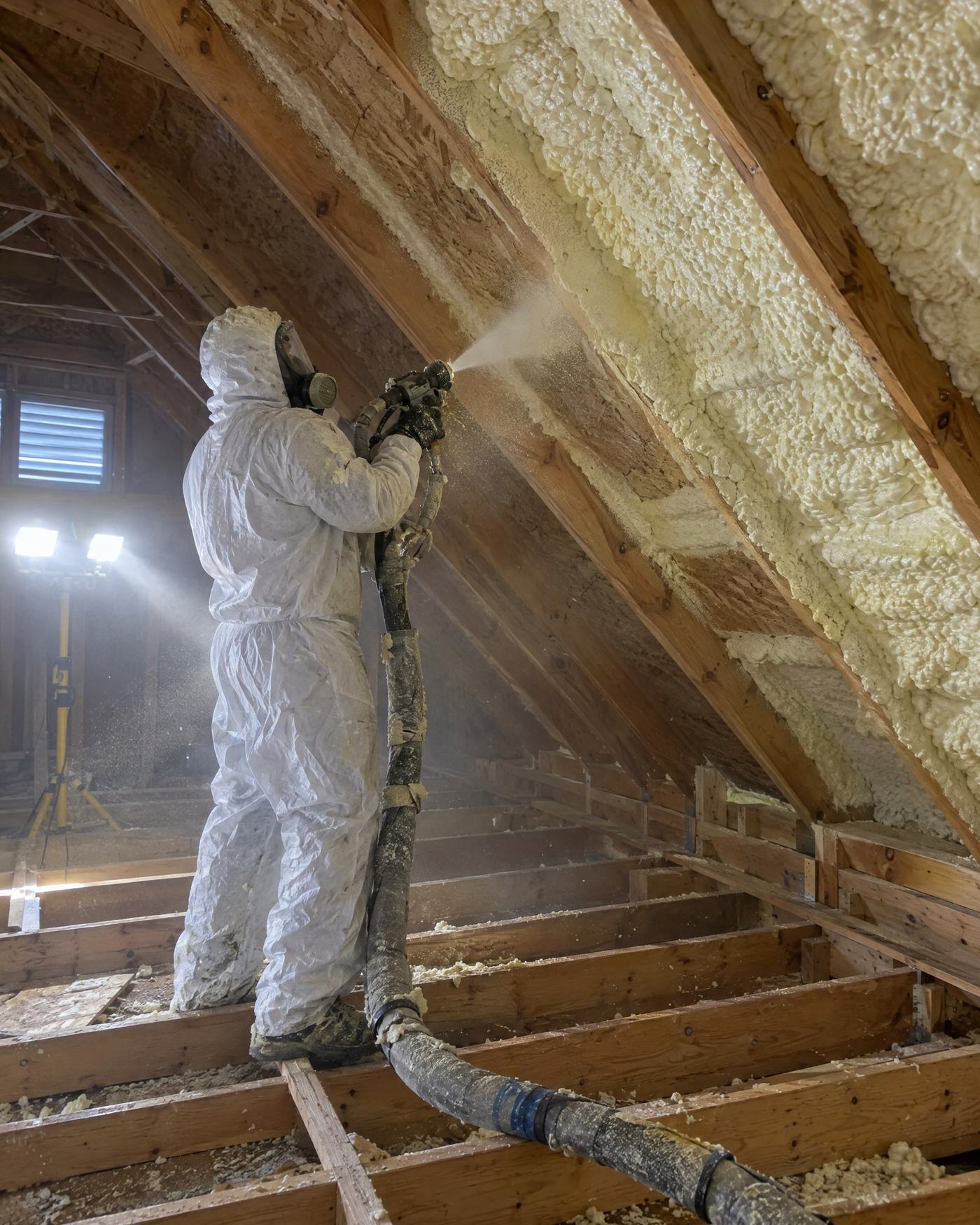
Attic jobs depend on the size of the attic, how leaky it is, and whether foam, cellulose or a mix makes the most sense. Every house is different, so we look at it in person and give you a free written quote with each area, the insulation type and the thickness spelled out, plus the Efficiency Maine rebate you're likely to qualify for. The number on the quote is the number you pay.
Get My Free QuoteInsulation and air sealing can qualify for Efficiency Maine rebates. We'll show you what you likely qualify for at the quote.
Insulation slows heat, but drafts walk right through it. We seal the leaks at the attic floor, rim joists and foundation first, then insulate.
Closed-cell foam for basements and rim joists, cellulose where it's the better value, open walls sprayed while they're open. Not one product for everything.
Most bad spray foam jobs go wrong for the same few reasons. Here’s what to check before you hand anyone a deposit:
More insulation on top of leaks doesn't stop drafts. A good installer seals the attic floor, rim joists and foundation before insulating.
A quote should list the material and the thickness or depth for each area. A low price with no thickness listed usually means thin insulation.
Efficiency Maine rebates can cover a real share of insulation and air sealing. Ask whether the installer will help you with the paperwork.
Foam in basements, attics and living areas may need a protective covering, depending on how the space is used. A pro knows the requirements.
Insulation isn't a fix for a leaking roof or a flooding basement. A good installer checks for water and tells you if something needs repair first.
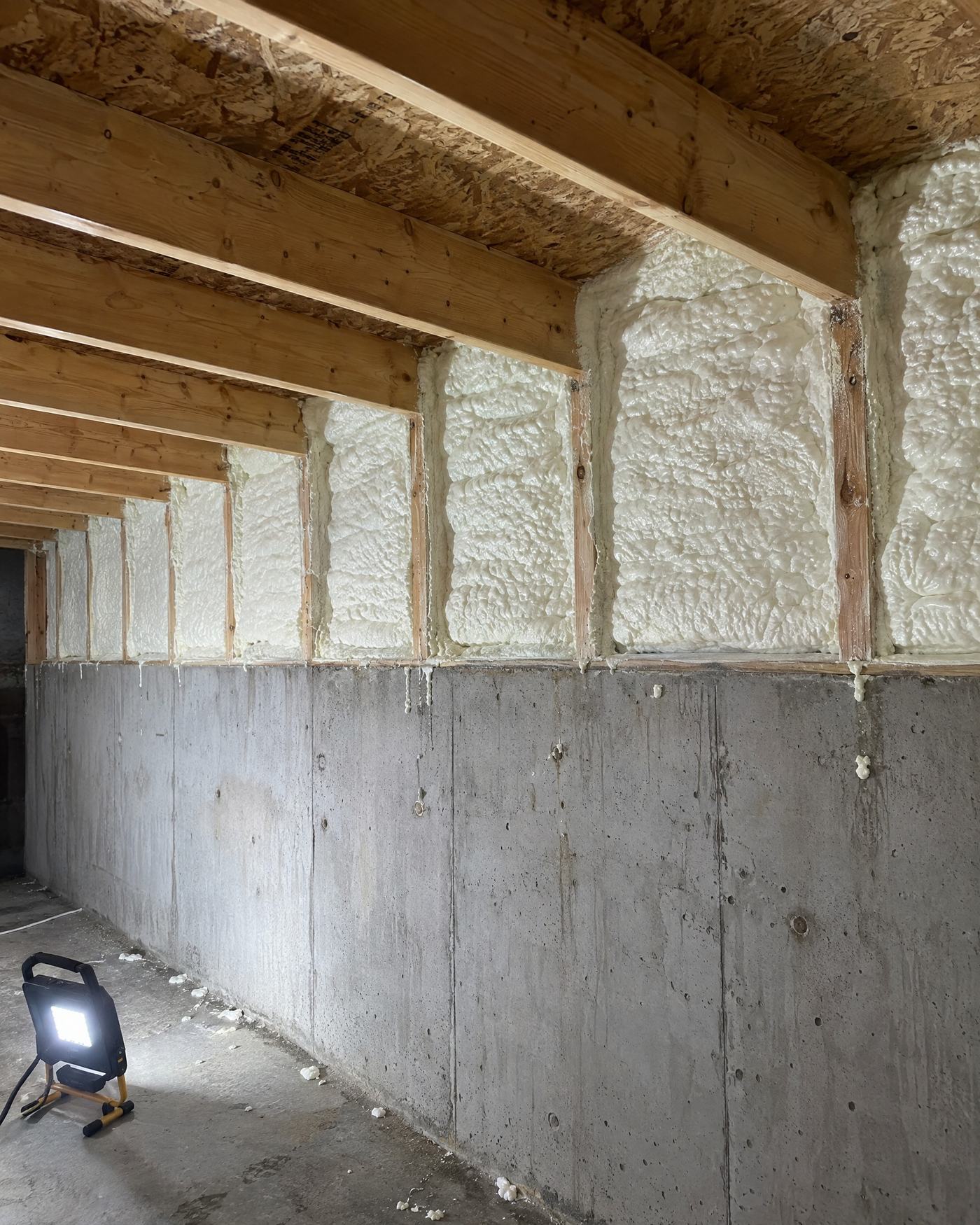
Closed-cell foam on basement walls and rim joists: warmer floors, no more drafts at the sill, and a basement that stops pulling cold into the house.
Learn more →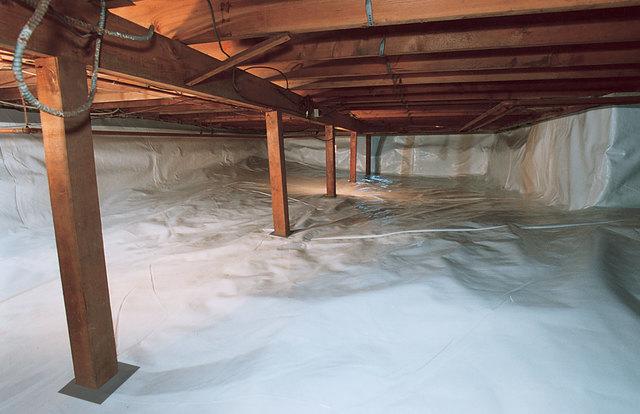
Seal a damp dirt-floor basement or crawl space with a heavy vapor barrier and foam-sealed walls. Drier air, no musty smell, warmer floors.
Learn more →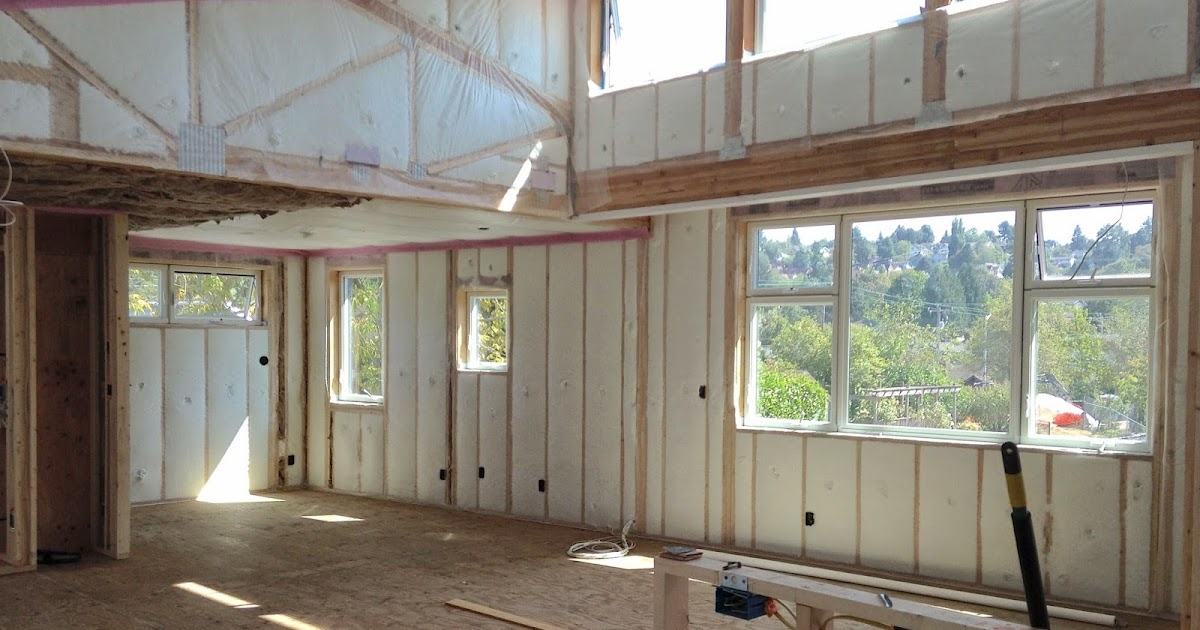
Spray foam in open walls for new construction, additions and remodels, and dense-pack cellulose for older homes with closed walls.
Learn more →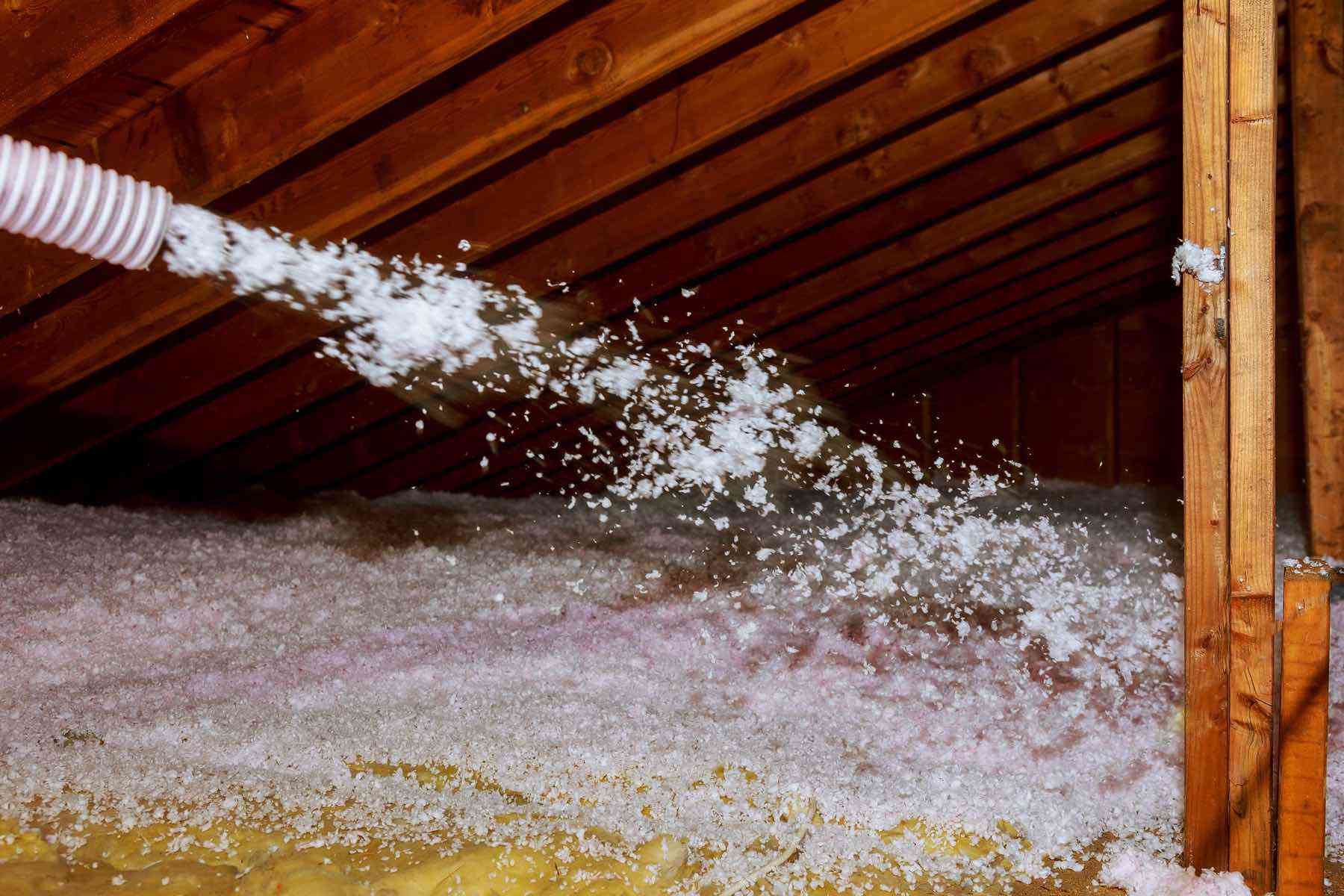
Blown-in cellulose for attics and dense-pack cellulose for closed walls: a cost-effective way to add a lot of R-value to an older Maine home.
Learn more →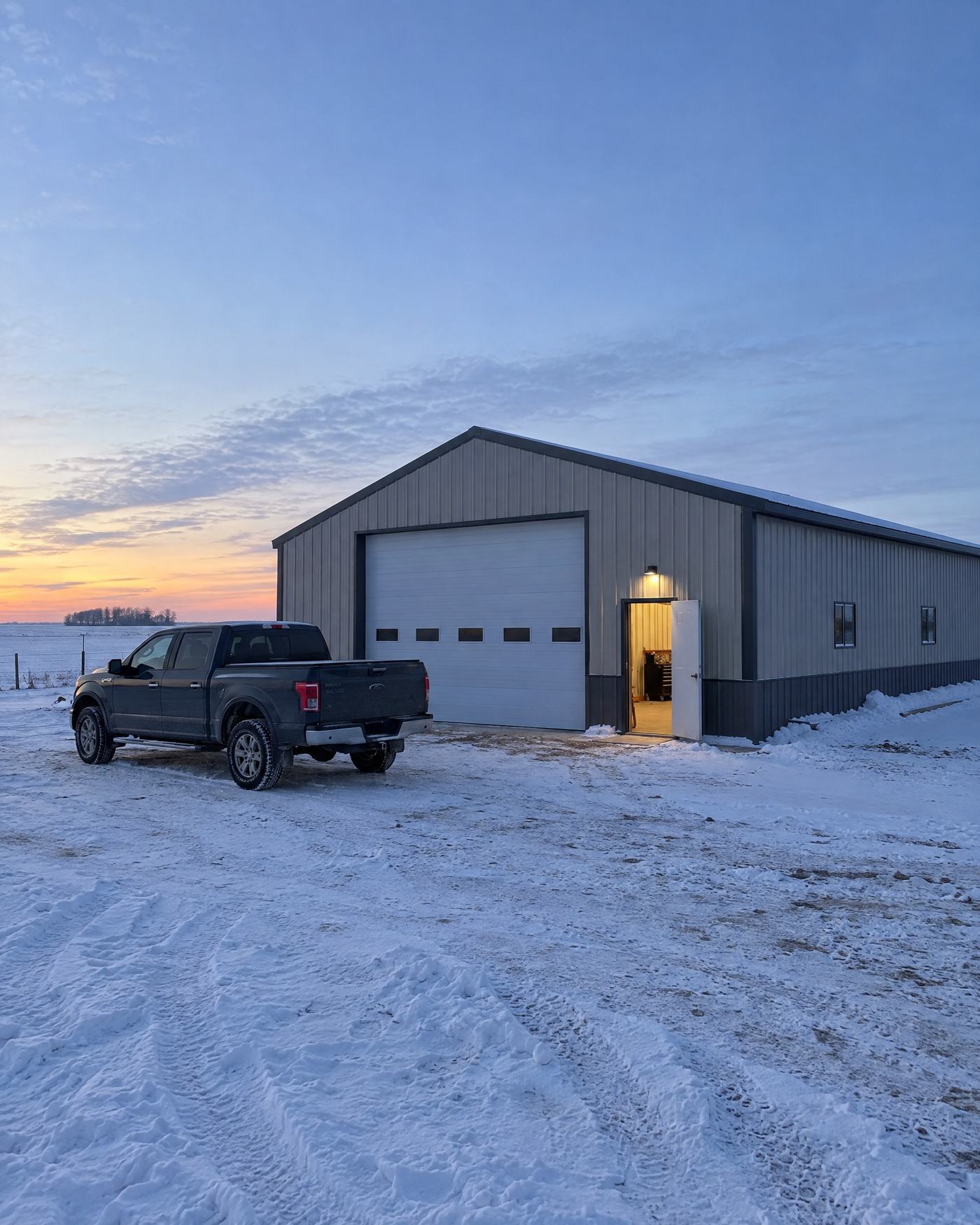
Closed-cell foam for garages, workshops, barns and metal buildings. Stops the roof from dripping and makes the space heatable in January.
Learn more →Tell us about your project and we’ll send a clear, written quote fast. No pressure, no obligation.
 Central Maine Spray Foam